

The Mission Starts with a Plant Seed
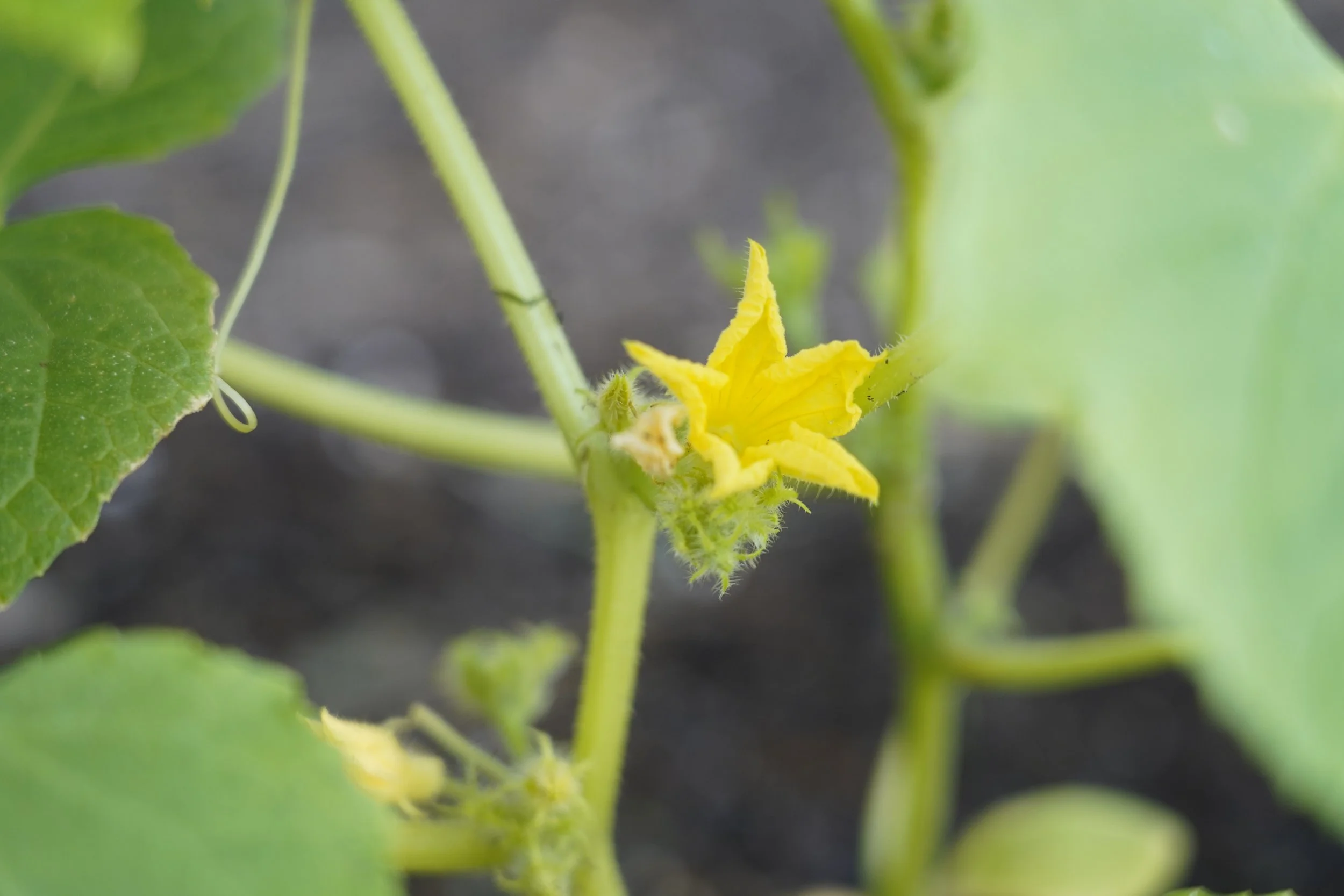
A Cucumber flower (Photo by Josh Jones of HCVSD)
For a lot of veterans, life after service feels different. The pace changes and the structure changes. We try as veterans to find something that can bring back those old habits, but in a new, directed kind of way. A garden doesn’t replace that, but it does reintroduce something familiar:
Responsibility
Rhythm
Visible progress
You plant something small and tend to it consistently. You see growth. That kind of feedback loop matters. This series isn’t about becoming a master gardener. It’s about building something steady, useful, and shared.
Step 1: Start Smaller Than You Think
The fastest way to kill momentum is to overbuild. Instead of planning a massive garden, try:
One 4x8 raised bed
Two large containers
A small row along a fence
Even five 5-gallon buckets
Small spaces are easier to manage, and you learn a lot, and if something fails, no biggie. Success builds confidence, and confidence builds expansion later.
There’s no prize for going big in year one.
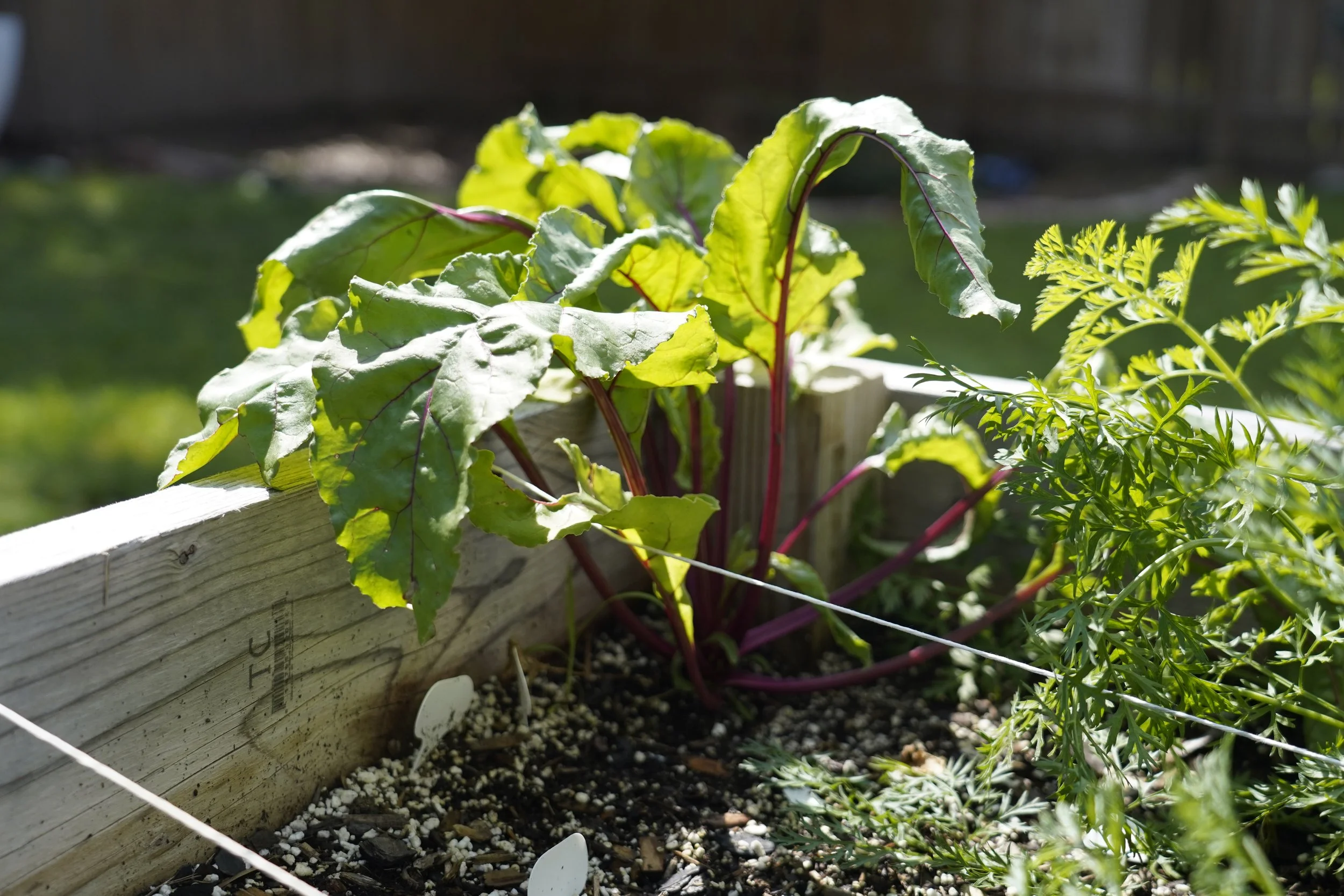
A Beet plant (Photo by Josh Jones of HCVSD)
Step 2: Pick Crops That Win Early
Early wins matter. Choose plants that tend to produce without a fight.
Reliable starters:
Cherry tomatoes
Zucchini
Green beans
Jalapeños
Basil
Rosemary
These plants forgive mistakes. They produce quickly. Seeing something grow within a few weeks keeps the momentum going.
Progress you can see makes it easier to keep showing up.
Step 3: Build a Simple Routine
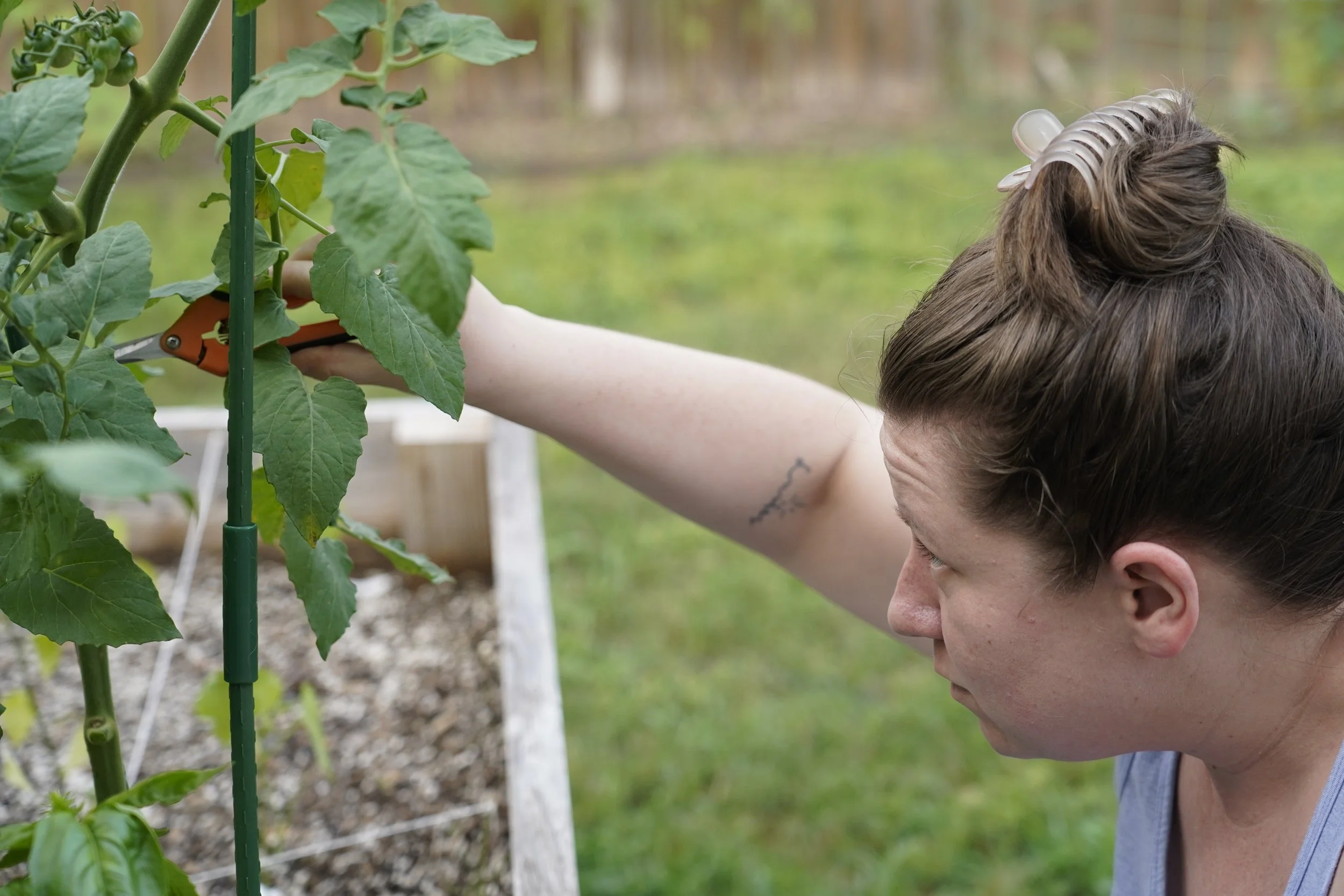
Pruning tomato plants (Photo by Josh Jones of HCVSD)
Gardens don’t require constant attention, but they do need consistency.
A basic rhythm might look like:
Morning or evening check-ins
Two to three deep waterings per week (depending on heat)
Weekly weeding
Quick pest inspections
Routine creates stability. Stability lowers stress. You’re not reacting. You're maintaining.
Something is grounding about stepping outside each day and checking on something that depends on you.
Step 4: Involve the Family Early
This doesn’t have to be a solo project. Let kids:
Pick one vegetable each
Water on a schedule
Harvest when ready
Let spouses weigh in on layout or crop choices. Shared ownership turns it into something bigger than a hobby. It becomes part of the household rhythm.
And conversations tend to flow more easily when hands are busy. Some of the best talks happen while pulling weeds or tying up tomato vines.
Step 5: Accept That Things Will Fail
Not every seed sprouts or even survives heat or pests. That’s part of it. Instead of seeing failure as wasted effort, treat it like a field adjustment:
Replant
Improve soil
Change timing
Try again
I've found personally, my favorite plant to grow every summer would have to be the Sunflower. They come in a multitude of varieties, which, if you like to keep your garden color consistent or complementary, you’ll find no trouble here. The sizes they come in also vary, and this summer I've chosen to plant the Mammoth sunflower, which can grow from 9 to 12 feet tall in about 75-80 days.
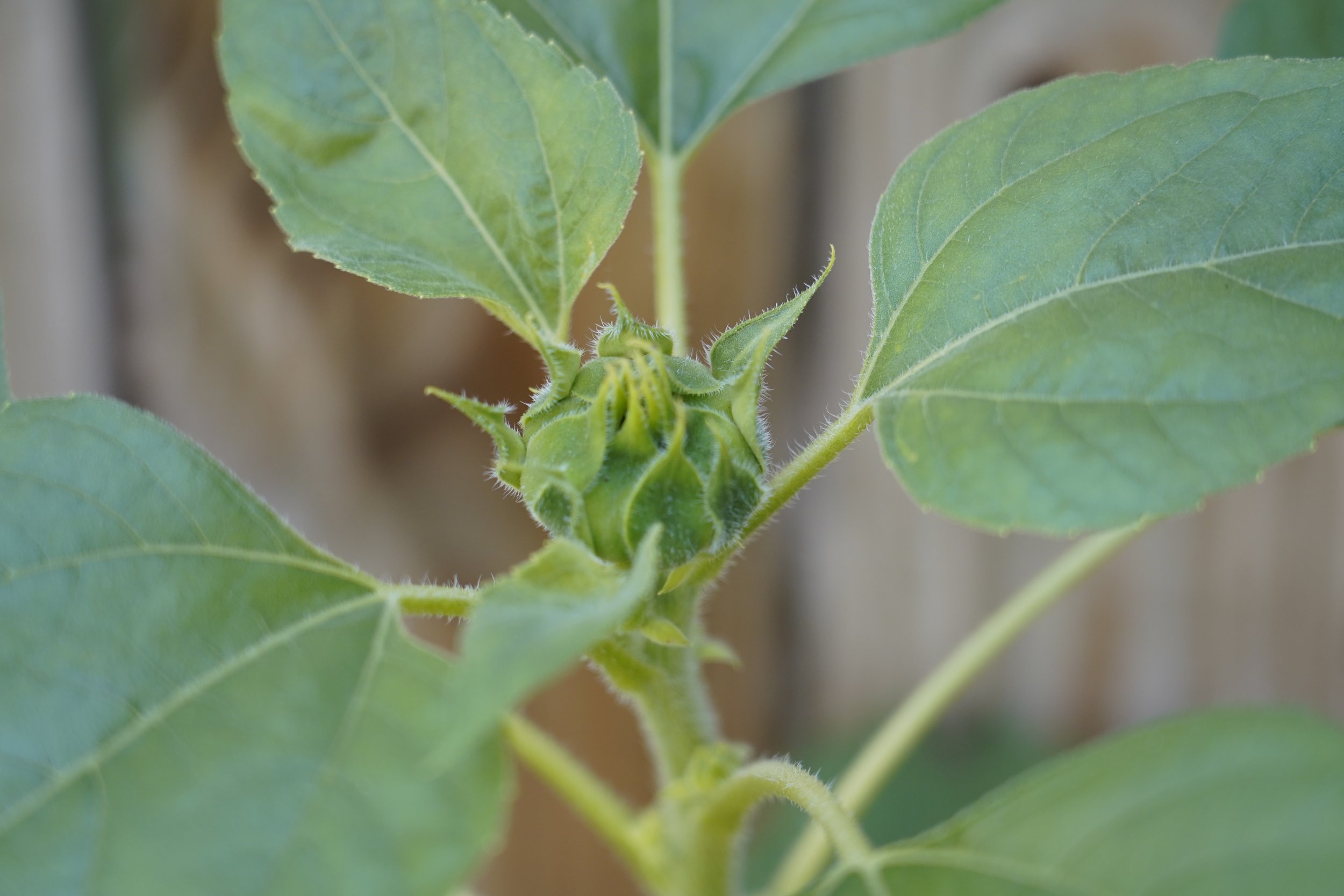
A Sunflower Head (Photo by Josh Jones of HCVSD)
Gardening teaches resilience without announcing that it’s teaching resilience. You adjust and keep moving. That lesson has value.
Planting a garden won’t fix everything. It won’t erase stress or replace the sense of mission some veterans miss, but it does provide something steady. Something that grows if you give it attention. Something that feeds your family in a literal way. And sometimes having one thing you can nurture, measure, and harvest is enough to shift the tone of a season.
Next, we’ll talk about building the base properly, choosing your ground, structuring your beds, and setting yourself up for success before a single seed goes into the soil.
From seed to storage.
One step at a time.
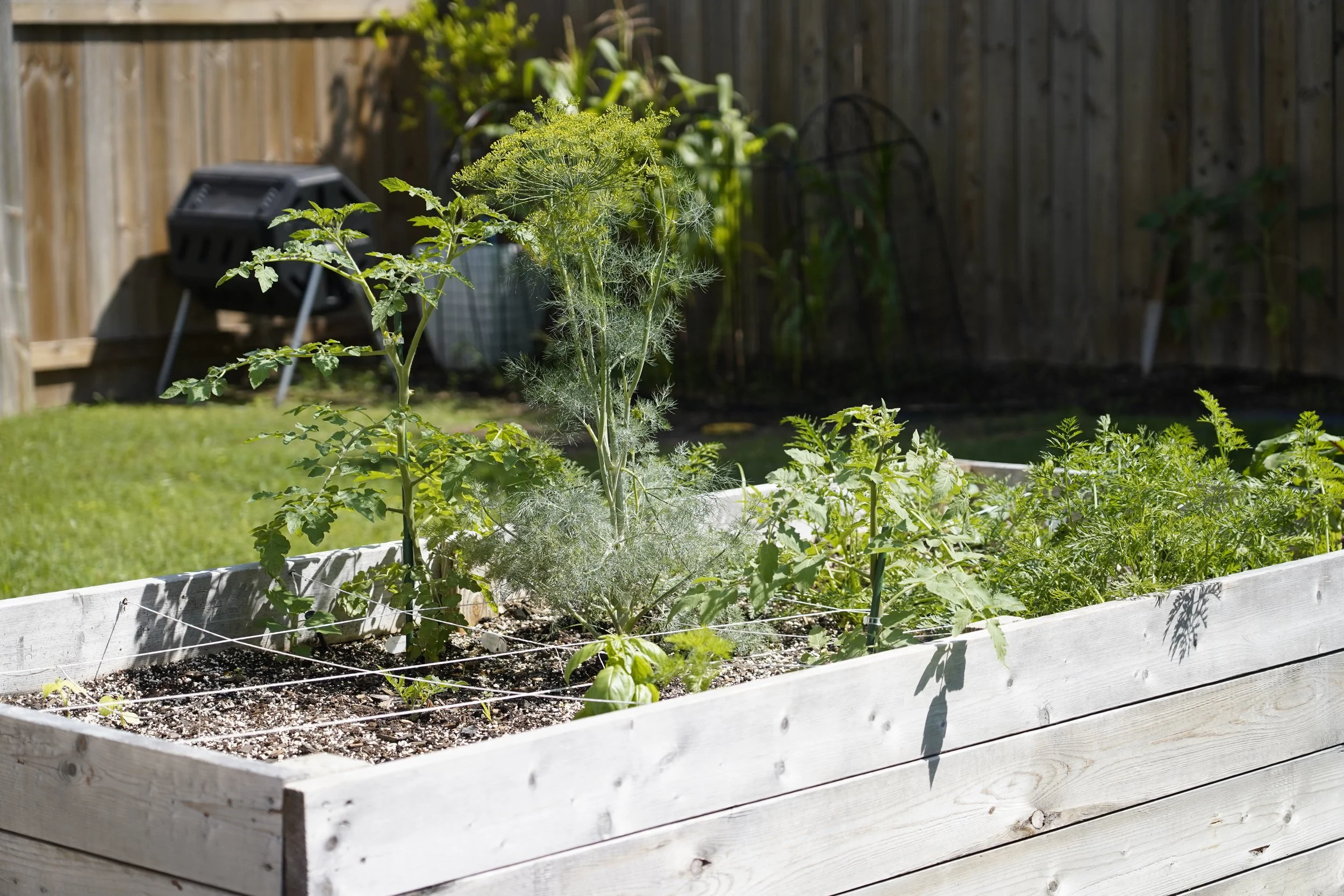
A raised garden bed holding herbs and vegetables (Photo by Josh Jones of HCVSD)