Vets Dig Chicks. Raising Chickens Around Houston [Vet Farm]
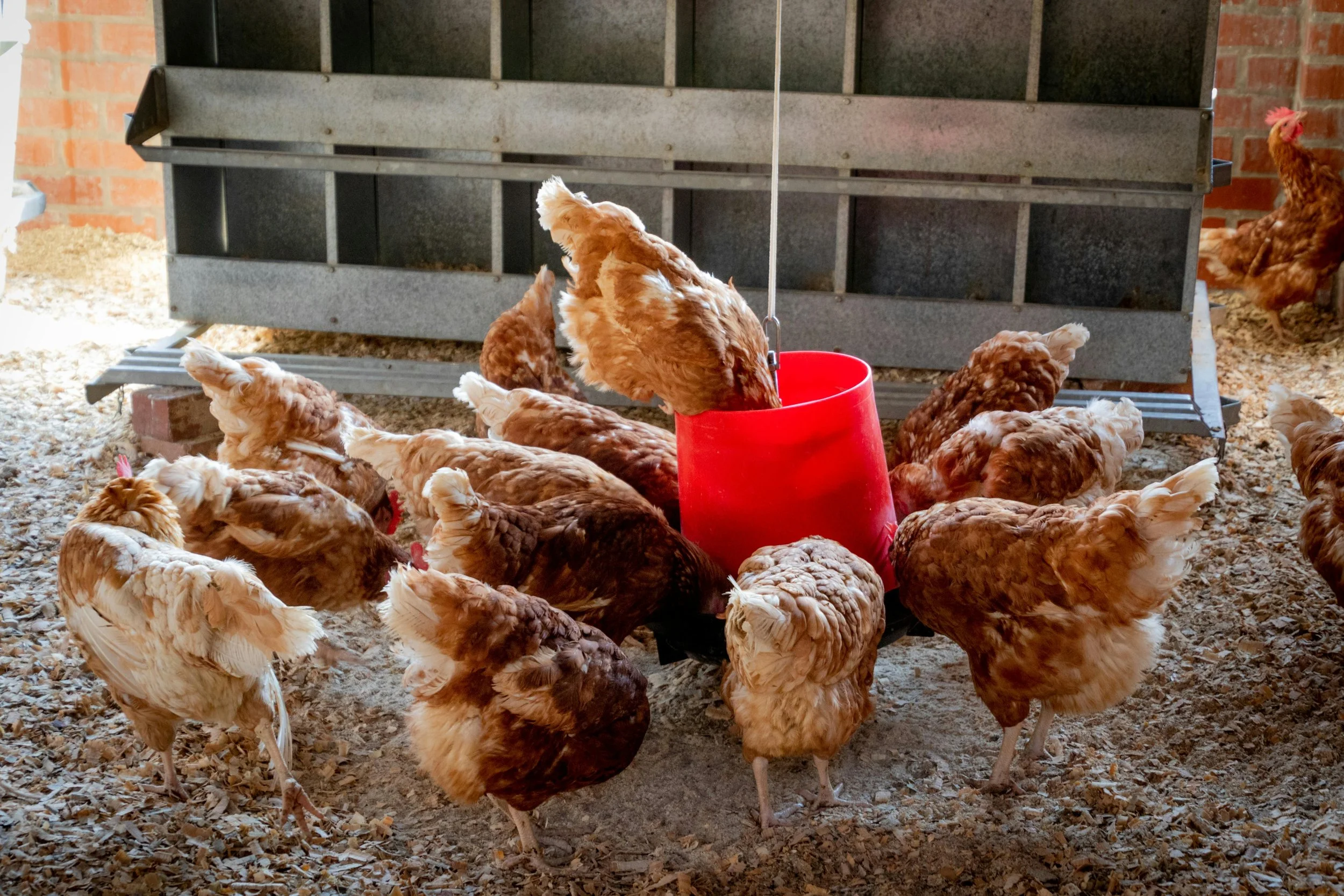
This is a part of our “Vet-Farm” series, where we document more agricultural questions that our veterans have asked us. While Harris County / Galveston Houston has one of the largest metroplexes in the U.S., many of our veterans are also based in more rural Southeast Texas surrounding counties with agriculture-based activities.
For thousands of years and across many cultures, people have discovered that chickens are a great source of protein. Whether it’s the meat or the eggs, it may be easier than you think to keep a flock of chickens.
For combat veterans, there is something deeply satisfying and therapeutic in shepherding a group of animals.
If you’ve already got a flock going in rural Southeast Texas, whether in Montgomery, Waller, Liberty, or the far edges of Harris County, you know it’s a bit different from the “backyard starter” guides.
Houston-area poultry isn’t just about cages, feed, and eggs. Between summer heat, spring storms, critters, and all the little daily chores, chickens quickly become both a joy and a responsibility you feel every morning.
Here are some tips about keeping chickens around here, beyond the basics.
Heat and Shelter Matter Year-Round
In our part of Texas, heat is the real challenge. Even if cold snaps make the news, temperatures in summer, and especially humidity, are what will stress your hens most.
Good airflow in coops is just as important as shade. Small changes like elevated waterers, shaded runs, and morning misting can make a big difference when the thermometer climbs. It’s not just comfort, it’s productivity: happier birds lay eggs more consistently.
Predators Are Local and Persistent
Raccoons, possums, snakes, hawks, feral dogs, they’re all around the greater Houston rural belt and know exactly where to look for a chicken dinner.
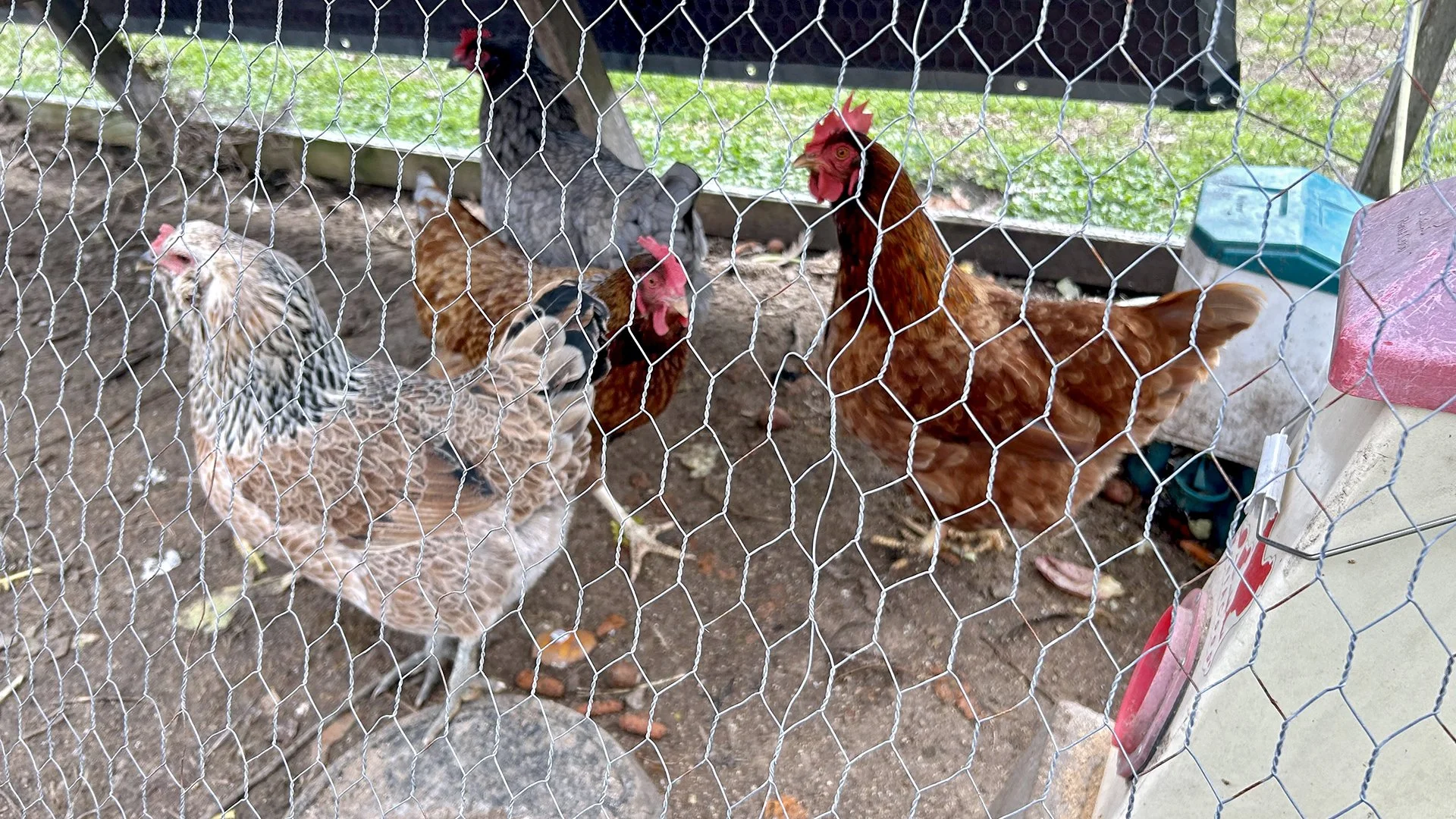
Small gaps, loose mesh, or old latches are invitations. Secure your coops with hardware cloth, stronger latches, and overhead netting where needed. It’s one of those details that pays off later when you’re not losing birds one by one.
Weather Can Change in Minutes
Flash storms are part of living in Southeast Texas, especially during spring and fall. Even if your coop is solid, drainage matters. A low spot can turn into a muddy trap for hens, and standing water starts health problems and mosquito issues in a hurry.
Aim for higher ground, better drainage, and quick cover options when storms roll through.
Local Places That Can Help
If you need supplies, feed, or help with nutrition, these local sources around the Houston area carry poultry feed, bedding, supplements, and more:
Feed & Supply Options:
Jensen Drive Feed Store – Huge local favorite with a broad supply of feed and poultry needs.
Sunset Feed Store – Well-rated for animal feed and poultry supplies.
Wabash Feed & Garden – Great for feed, bedding, and all kinds of poultry basics.
Quality Feed & Garden Inc. – Long-standing local supplier — also known for helpful staff.
Sam Houston Feed & Supply – Feed, scratch grain, and more for established flocks.
Hieden Feed & Supply – Popular choice for layer feed and poultry care items.
Parkway Feed & Pet Supply – Another highly rated local option for feed and barn supplies.
D & D Feed & Supply, Bishops Feed And Seed, Ray's Feed Store, Texas Feed Express Additional neighborhood access points depending on where you are.
Even though big chain stores like Tractor Supply and Tractor Supply are available around the area, many chicken keepers in rural communities prefer the smaller feed stores above for personalized advice and consistent stock.
Tap into Local Expertise
You don’t have to figure everything out on your own.
The Texas A&M AgriLife Extension Service offers free and low-cost poultry resources that go beyond basic how-tos with publications, workshops, and hands-on learning for both new and experienced chicken keepers. Topics include biosecurity, nutrition, breed selection, and flock health.
And because the AgriLife network extends into counties near Houston, you can often connect with an extension agent who understands your soil, weather, and local pest pressures.
Ongoing Challenges Worth Knowing
Molting and seasons. Chickens will slow or stop laying when they molt, especially after hot summers.
Nutrition tweaks. Layer feeds, grit, oyster shell supplements, and balanced protein matter more than most folks think, especially during Texas’s long summers.
Biosecurity. With so many wild birds and critters around, keeping feeders clean and water fresh helps prevent disease from spreading through your flock.
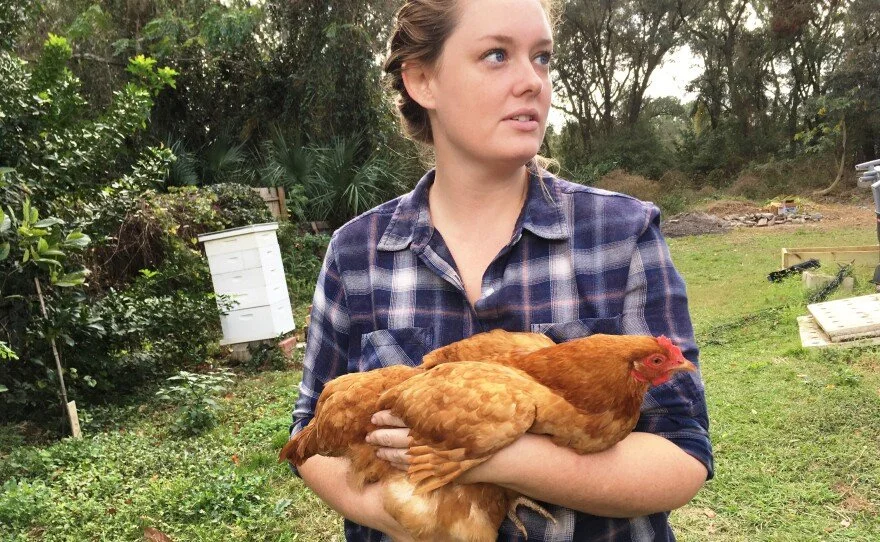
At This Stage, It’s Not Just a Flock, It’s a daily rhythm
Once you’ve had chickens through a few seasons around here, you start to notice patterns:
They’re usually louder right before storms.
They eat more during heat waves.
They need water changes best in the cool of the morning and evening.
A poorly planned coop will show its problems fast in temperature swings and humidity.
Chickens tell you what they need; you just have to be willing to listen.
And for folks who already have a flock, that’s half the challenge sometimes: watching, learning, and adapting instead of expecting one solution to fix everything.
Where we come in
Our goal here at the Harris County Veterans Services Department is to make sure veterans in our community and beyond have access to the benefits and support they’ve earned. We regularly assist veterans and their dependents with:
Compensation
Pensions
Medical
Education
Insurance
Death benefits
Helping review paperwork
Answering any veteran-related questions
& to help guide you through the entire process
We also have an on-staff attorney who can help with important legal documents such as Powers of Attorney (POAs) and other planning needs for veterans and their families.
Each month, our team hosts FREE outreach events across the county where veterans or family members can bring paperwork, medical records, or VA letters and sit down with us for guidance on their claims and benefits.
We regard ourselves as your one-START shop for anything veteran-related. If we can’t provide the service directly, we'll let you know and refer you to someone who can.
If you’d like help or want to learn when we’ll be in your area, check our calendar on our website or social media, or fill out our service ticket, and one of our accredited VSOs will be in contact. We're here to help make the process a little easier for you and your families.
And once you’ve done it, you understand why so many folks around here wouldn’t give it up, even when it gets tough.