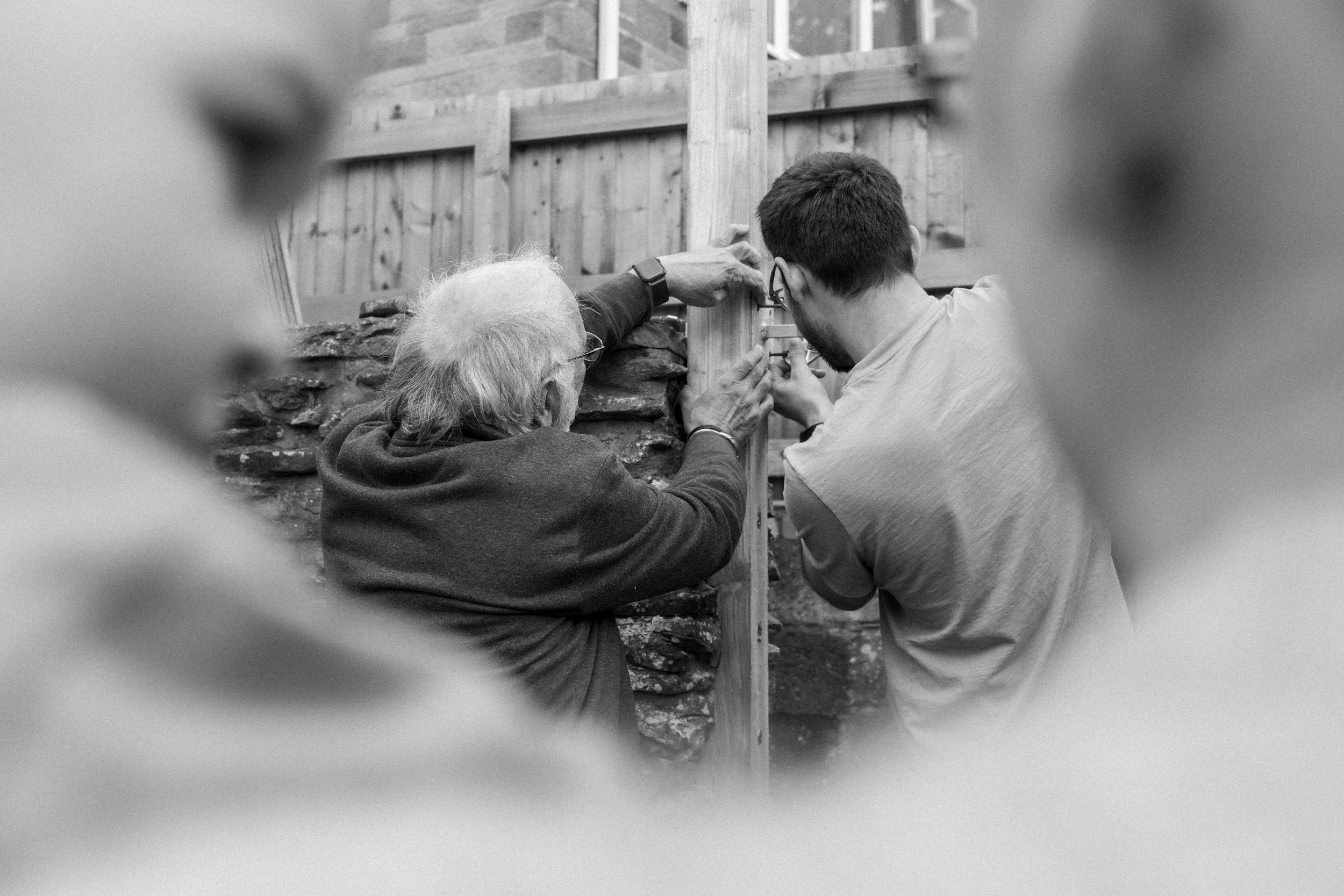

Building the Base: Before Anything Grows
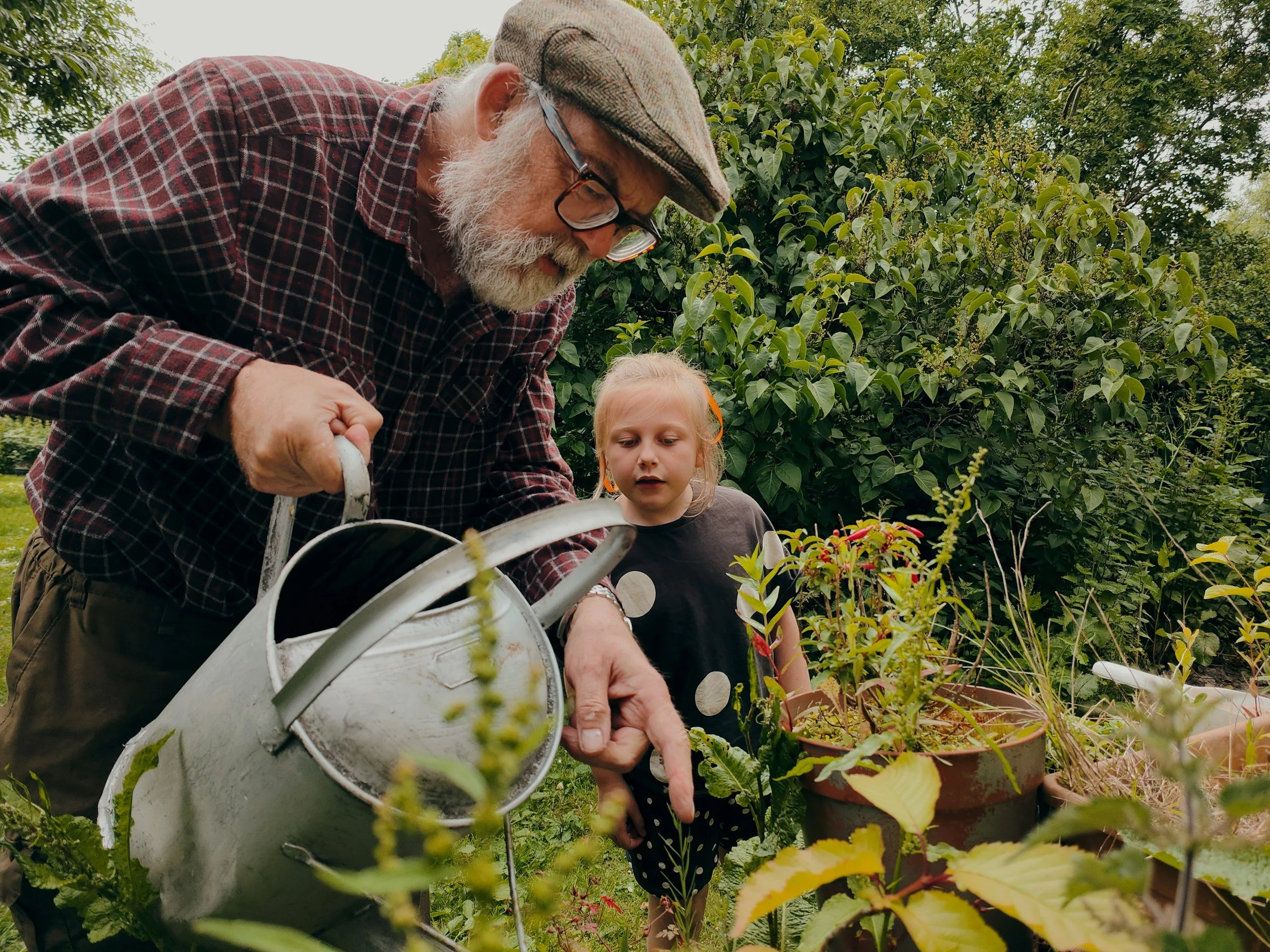
Every solid season starts before planting day.
It’s easy to get excited about seeds and forget that what’s underneath them determines everything. A rushed setup usually turns into a frustrating summer. A steady setup makes the rest of the work feel manageable.
This stage isn’t flashy. There’s no harvest yet, just preparation. But preparation decides how hard the season will be.
Step 1: Choose the Right Location
Before building anything, study your yard.
Look for:
6–8 hours of sunlight
Decent drainage after rain
Access to water
Protection from strong wind
In hotter climates, full sun is good, but relentless late afternoon heat can be punishing. Morning sun with a little afternoon relief often works best.
Take a few days to observe instead of rushing. When you understand your environment, you stop fighting it.
Step 2: Decide How You’ll Grow
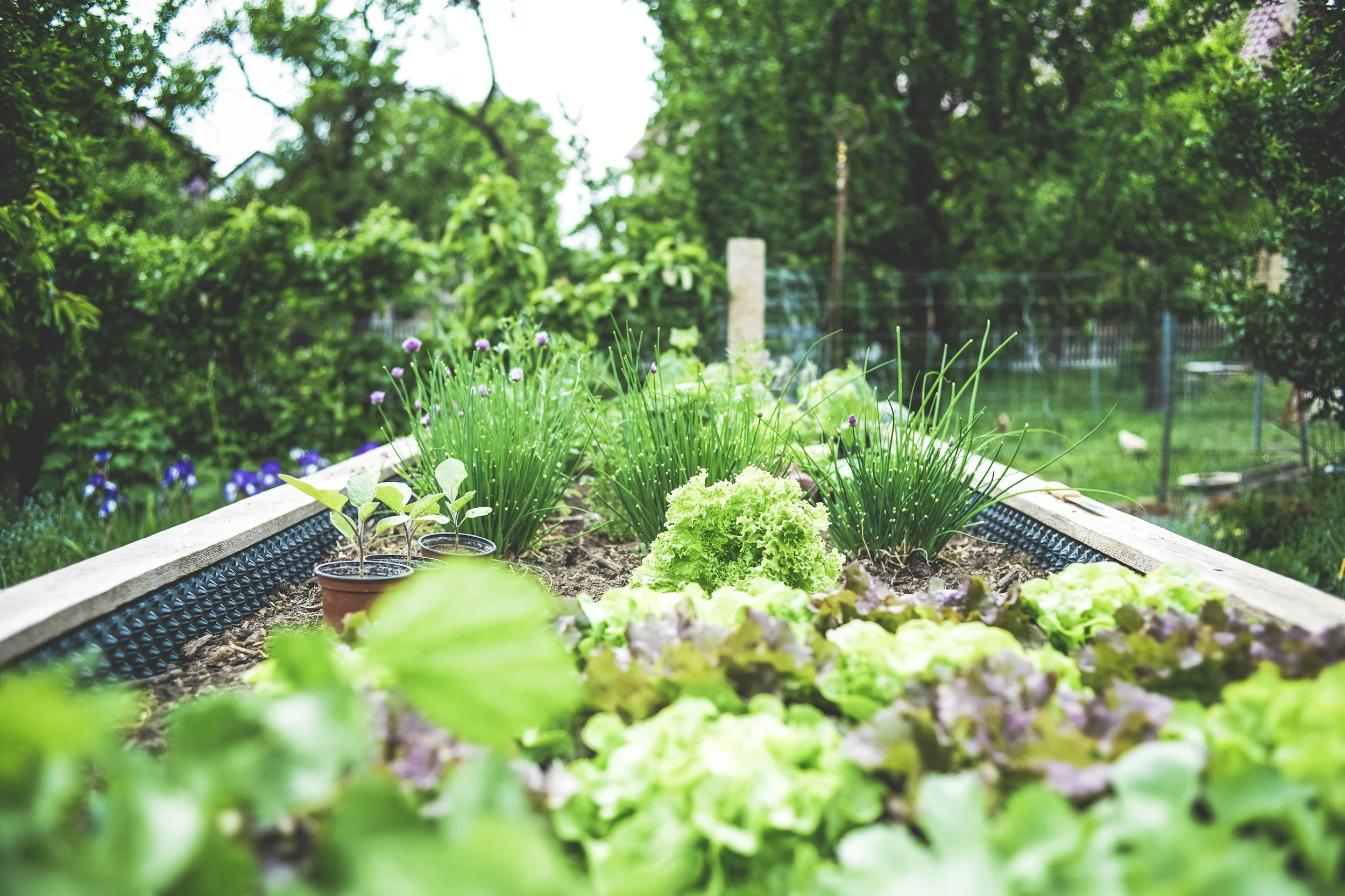
Now choose your structure. Keep it realistic.
Raised Beds
Controlled soil quality
Better drainage
Cleaner layout
Easier on your back
In-Ground
Lower cost
Larger potential space
Works well with healthy soil
Containers
Ideal for patios or smaller yards
Easier to manage
Great for herbs and peppers
Start with something you can maintain consistently. Two well-managed beds outperform an ambitious project that gets neglected in July.
Consistency beats scale.
Step 3: Build the Soil First
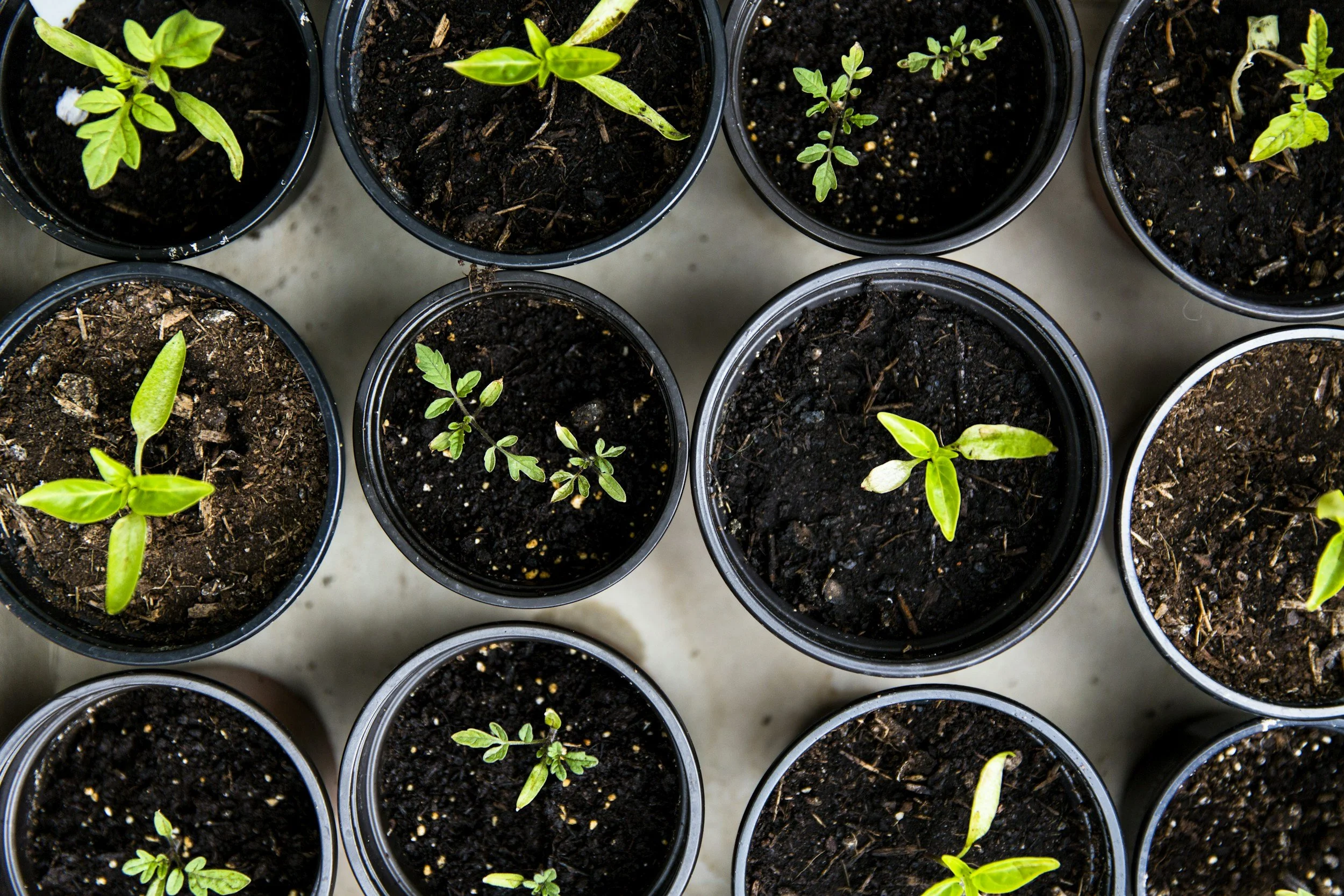
Healthy soil solves half your future problems.
Before planting:
Mix in compost
Break up compacted dirt
Remove large rocks
Plan to mulch after planting
Think of soil as infrastructure. If the foundation is weak, everything above it struggles. When it’s strong, plants handle heat, pests, and stress better.
Good groundwork reduces emergencies later.
Step 4: Plan Water Before It’s Urgent
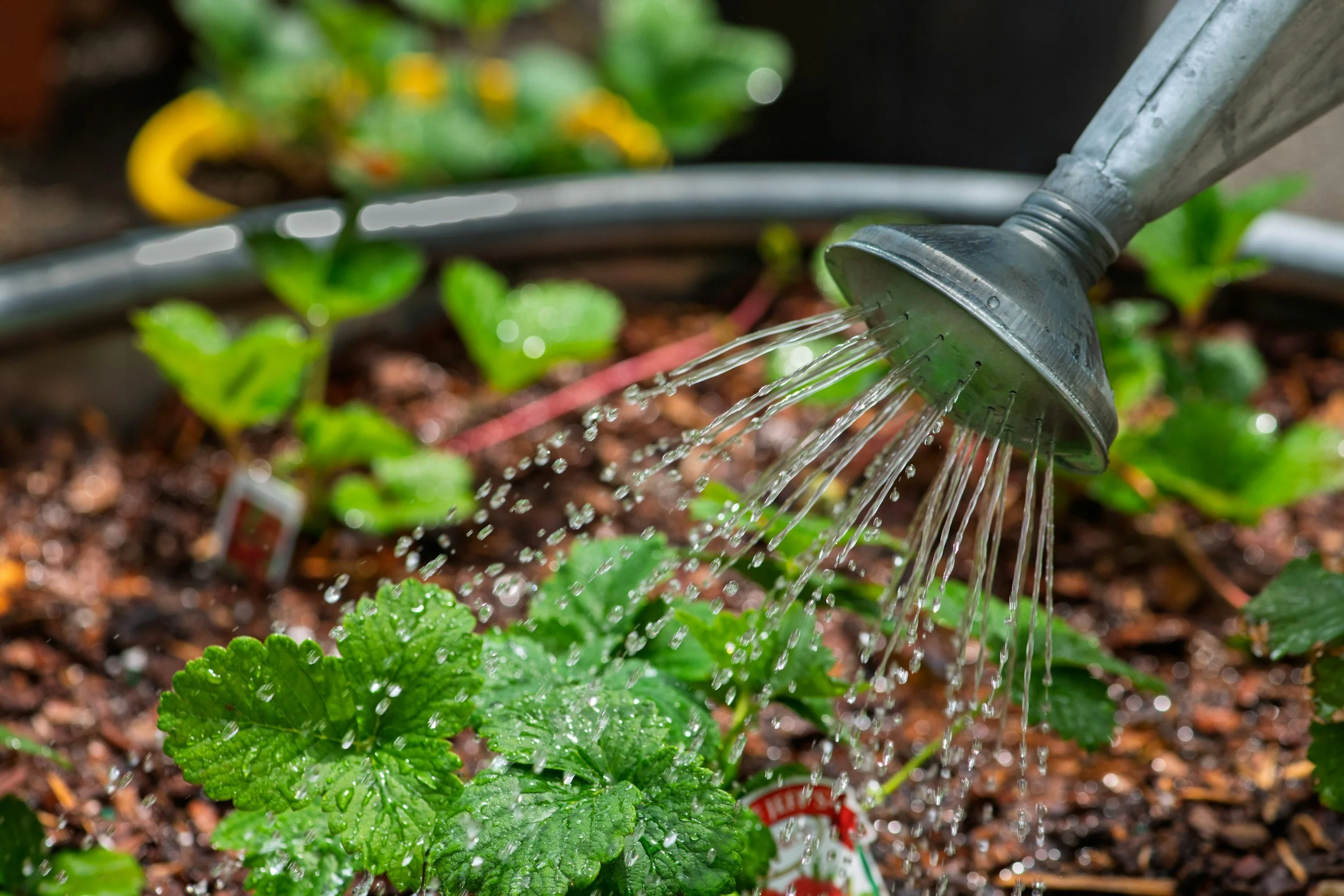
Heat exposes poor planning fast.
Decide early:
Will you install drip lines?
Use soaker hoses?
Water manually on a set schedule?
Deep, less frequent watering encourages deep roots. Shallow daily watering creates shallow plants.
Deep roots are more resilient during stress. Gardens reward depth over quick fixes.
Step 5: Keep Tools Simple
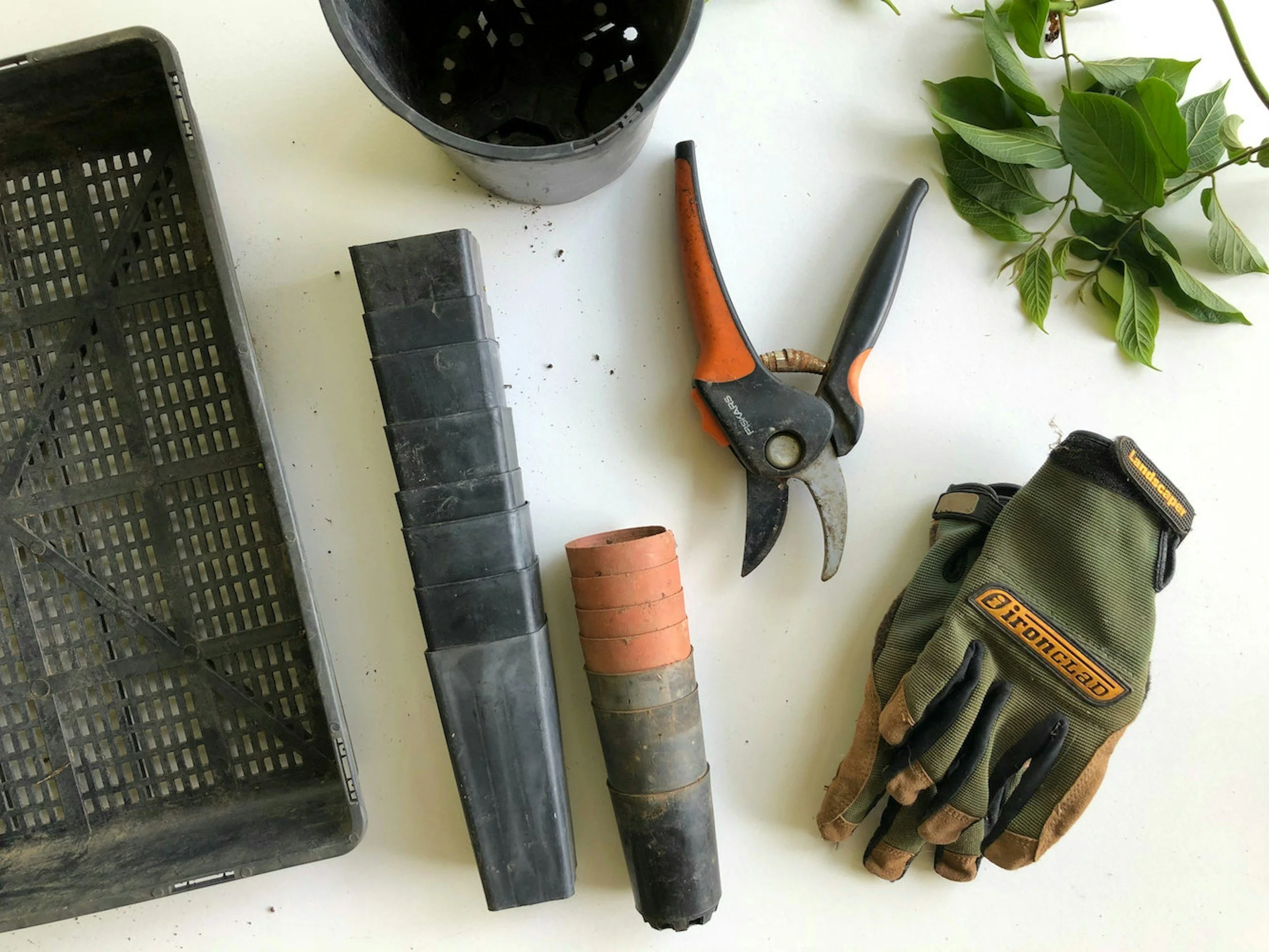
You don’t need a shed full of equipment to grow food.
Start with:
Hand trowel
Pruners
Gloves
Hose
Mulch
Master the basics. Add more only if you truly need it.
There’s a difference between preparation and overcomplication.
Step 6: Build It Together
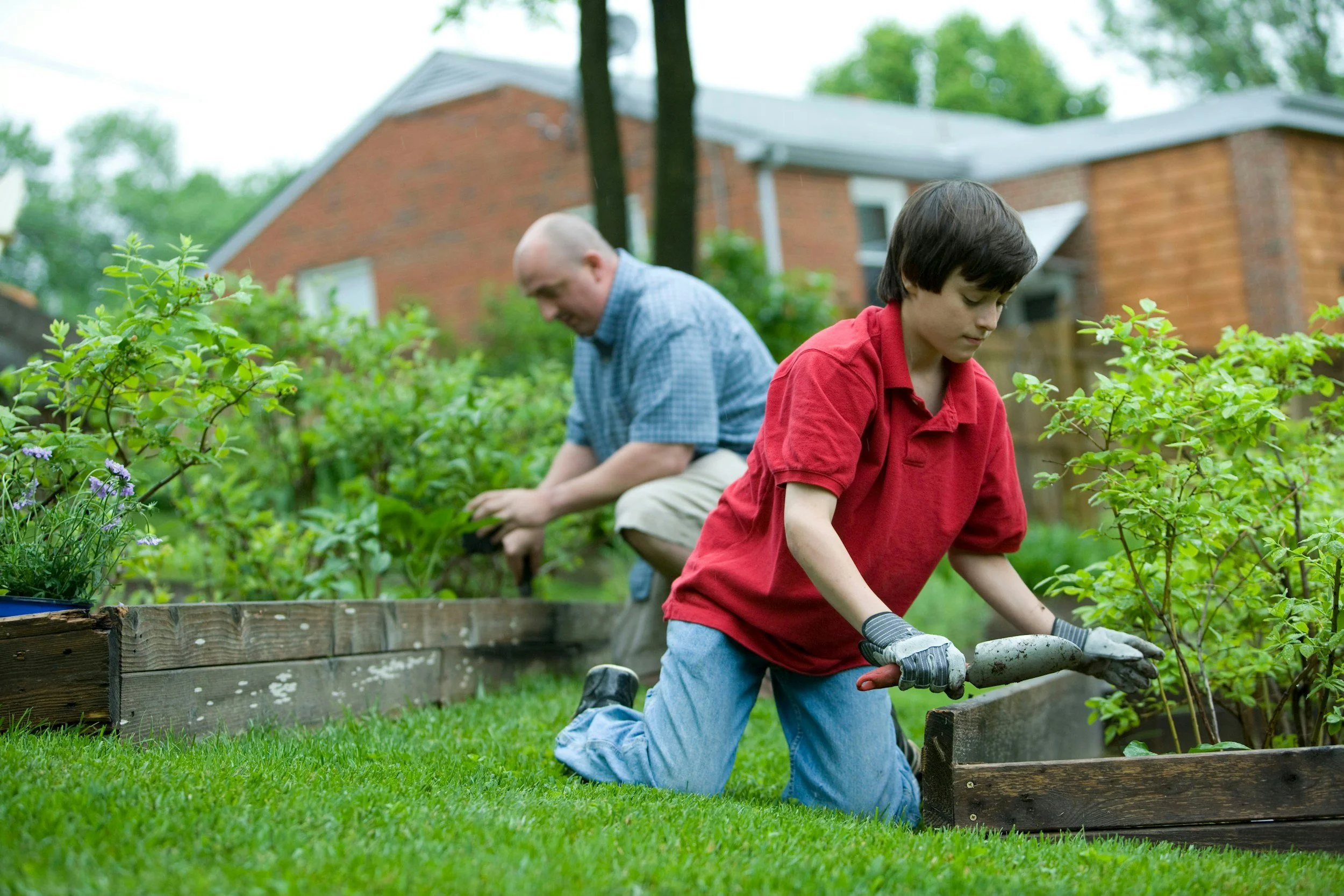
If you’ve got family at home, involve them during setup.
Let them:
Help fill beds
Level soil
Measure spacing
Choose where certain plants go
When everyone contributes, the garden feels shared. And shared projects create natural space for conversation. No agenda. Just work side by side.
Sometimes that’s when the best discussions happen.
Building the base doesn’t deliver instant results. It requires effort before reward. But when you take the time to prepare properly, the rest of the season feels steadier.
Next, we’ll move into planning with the seasons—how timing affects everything from seed success to harvest quality, and why pacing your work makes a bigger difference than working harder.
The groundwork matters.