

Going Back to School After the Military
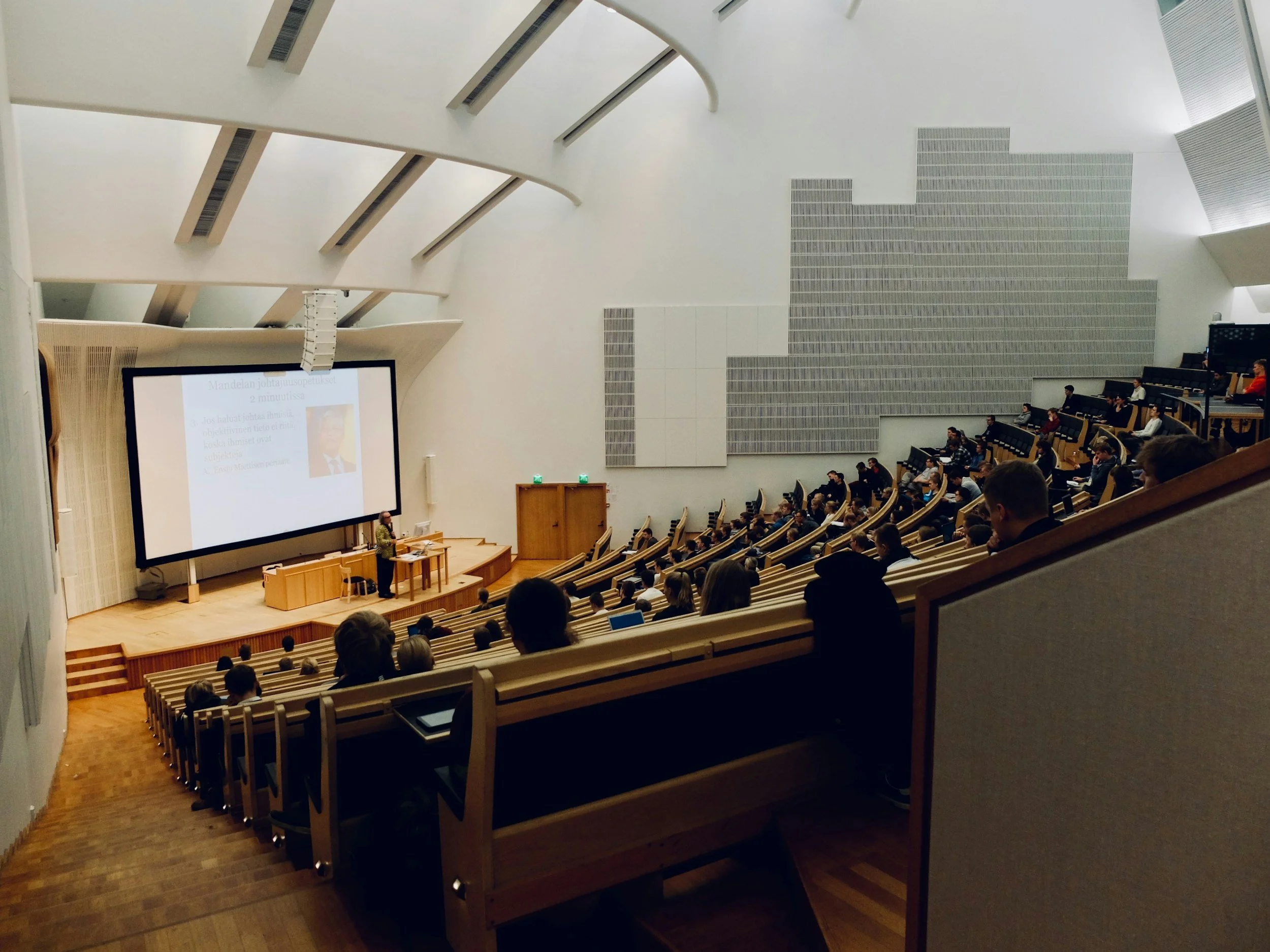
Transitioning from the military to college life can feel like stepping onto a different planet. You go from structure and camaraderie to a world where deadlines float, and classmates complain about 8 a.m. classes. If you’re a veteran thinking about going back to school or you’ve already jumped in, you’re not alone in feeling the shift.
The good news? Thousands of veterans in the Houston area have successfully made that leap, and there’s a ton of support waiting for you. Let’s break down the biggest challenges, the mindset that helps, and the resources in Harris County that can make this transition smoother.
The Challenges Veterans Face Going Back to School
1. Feeling Out of Place
You may be older than most students, which will make you feel like Adam Sandler in Billy Madison, but you may carry experiences others can’t imagine. It’s easy to feel like you don’t quite “fit the mold.” Many veterans talk about feeling disconnected in classrooms that can feel casual or even unfocused.
The truth: Your presence is a strength. Your discipline, focus, and lived experience elevate the learning environment. But it still takes time to adjust.
2. Navigating the GI Bill and Paperwork
The VA benefits process can feel like another full-time job. Between certification, monthly housing allowances, and understanding what your school requires, the process can get overwhelming.
3. Mental Load: Stress, PTSD, Anxiety, and Identity Shifts
College can stir up emotions you thought you’d boxed up. Less structure, more free time, crowded environments, and the weight of redefining yourself outside the uniform can bring up stress or memories of all kinds. Be vigilant.
There's nothing wrong with you. This is a common and very human part of transition.
4. Balancing School, Work, and Family
Some student veterans are raising kids, working part-time or full-time, and still trying to maintain grades. That’s a different level of pressure than your average college student deals with.
5. Academic Adjustment
If it’s been a few years since your last exam or research paper, it’s normal to feel rusty. Learning platforms, writing expectations, and digital systems have changed fast, and almost every degree plan has an online component you have to work through on your own.
How to Set Yourself Up for Success

Build a routine your way
You thrived in structure before; create a version of that now. Set study blocks, workout times, and a weekly plan that keeps you grounded.
Use Your Disability Accommodations
If you have service-connected disabilities, you qualify for accommodations. Extra time on tests, quiet rooms, note-taking assistance. They exist because you earned them.
Connect With Other Veterans
Even one or two vets on campus can be a lifeline. They’ll “get it” without you having to explain it. Be sure to check with your college to see if they have a campus vet center.
Permit Yourself to Start Slow
One full-time semester in the military world feels like a warm-up. In college life, it can hit like a brick. You don’t have to overload your schedule to prove something.
Local Support in the Houston + Harris County Area
Here are the strongest, most accessible resources for veterans going back to school in the region:
🎓 University & College Veteran Resource Centers
Most Houston-area campuses have dedicated Veteran Resource Centers or Veteran Success Offices. These usually help with:
GI Bill certification
Tutoring and academic support
Counseling resources
Vet-to-vet mentorship
Student veteran groups
Notable local campuses with strong veteran support:
University of Houston – Main, Downtown, and Clear Lake
Texas Southern University
Rice University (Vetting initiative + support services)
Houston Community College (all campuses)
Lone Star College (multiple campuses, strong VRC presence)
Prairie View A&M University
🇺🇸 Harris County Veteran Services Department (HCVSD)
If you need help with:
VA claims
Community referrals
Mental health resources
Housing support
Peer support
HCVSD is one of the most hands-on, accessible support systems in the county. If you’re overwhelmed, we can help you sort through what you’re eligible for and guide you through the process.
🧠 Mental Health & Counseling Support
Houston has multiple free or low-cost options for veterans:
Vet Centers (Houston & Katy) – counseling for combat PTSD, MST, adjustment issues, and family counseling
The Steven A. Cohen Military Family Clinic at Endeavors
Harris Center for Mental Health and IDD (veteran support programs)
💼 Career & Academic Preparation
Texas Veterans Commission – Education & Employment Services
NextOp Veterans (career placement + mentorship)
Workforce Solutions – Veteran Representatives
These can help with résumés, degree planning, employment matching, and transitioning into civilian career paths.
Thoughts from Josh
Back again!
This is (in my opinion) such a good move after service if you can swing it. I waited a while for obvious reasons, but once I had the opportunity (at 30, mind you, with 1 young kid and another on the way), I quickly realized it was worth taking that time for myself and using my veteran benefits (Kuddos to my wife for taking care of me during this time) I used all 100% of it, went to SHSU and got an entire bachelor’s degree for free (minus the random expenses for props and locations). Being 30 and surrounded by 18- 19-year-olds who had been doing film long before I was…humbling, but I learned a lot from those kids, and you'd be surprised who you're surrounded by. Had a kid who was using his dad’s GI bill. I was known around as “Grandpa,” but I became friends with my professors from such rich film backgrounds, and they helped me a lot in my studies. It was humbling, but it was fun, and learning again in that capacity was actually pretty cool.
What I'm blabbing here is go for it. Go forth and learn, my dudes and dudettes. We earned it.
Oh, and if you ever need help or guidance, I, to the best of my ability, would love to help you at least get to the veteran center on your campus. Just shoot us an email.
-Josh